
The Thrill of Uncertainty
The psychology of gambling is deeply intertwined with the human attraction to uncertainty and risk. Each flip of a card or roll of the dice carries an embedded suspense that captivates players. This thrill can be explained through a psychological lens called the “near-miss effect.” This phenomenon occurs when players come close to winning, creating a sense of excitement that compels them to keep playing, even if they haven’t won a substantial prize. Many prefer casino sites fast withdrawal options to enhance their experience, as the anticipation of potentially winning amplifies the emotional highs and lows experienced during gameplay, fostering an addictive cycle that many find irresistible.
Moreover, the brain’s reward system plays a significant role in this thrill. When players experience a win, even a small one, the brain releases dopamine, a neurotransmitter associated with pleasure and reward. This chemical reaction reinforces the behavior, creating a desire to seek out more of the same experience in future gambling endeavors. Hence, even losses can be perceived positively when paired with the excitement of the near miss, making the gamble feel worthwhile. The juxtaposition of risk and reward fuels an ongoing cycle of gambling behavior.
This psychological interplay of uncertainty and reward can explain why many individuals engage in gambling not just for financial gain, but for the sheer enjoyment of the experience. People often seek out these thrills as an escape from daily life stresses, adding another layer to why we play. The excitement becomes a form of entertainment, transforming what could be mundane moments into high-stakes adventures that evoke strong emotions. Such experiences can offer a temporary reprieve from reality, making the act of gambling a captivating escape that many eagerly pursue.
The Role of Social Interaction
Another compelling aspect of gambling is its social component. For many, gambling is as much about the company they keep as it is about the game itself. Social dynamics play a vital role, as the shared experience of risk-taking creates bonds among players. Whether in a group setting at a physical venue or engaging with others online, the interactions that occur during gambling can lead to a sense of community and belonging. This social reinforcement encourages individuals to continue participating, as they associate positive feelings with both winning and losing together, enhancing the overall experience.
In addition to building camaraderie, social environments can influence gambling behaviors. The presence of friends can amplify excitement, leading to increased wagers and risk-taking. This phenomenon can be explained through the social facilitation theory, which posits that individuals often perform differently when in the presence of others. The atmosphere of a bustling casino or a lively online multiplayer game fosters a shared energy that can enhance the experience, prompting players to engage in more extensive gambling than they would in solitude, thus heightening the thrill of the gamble.
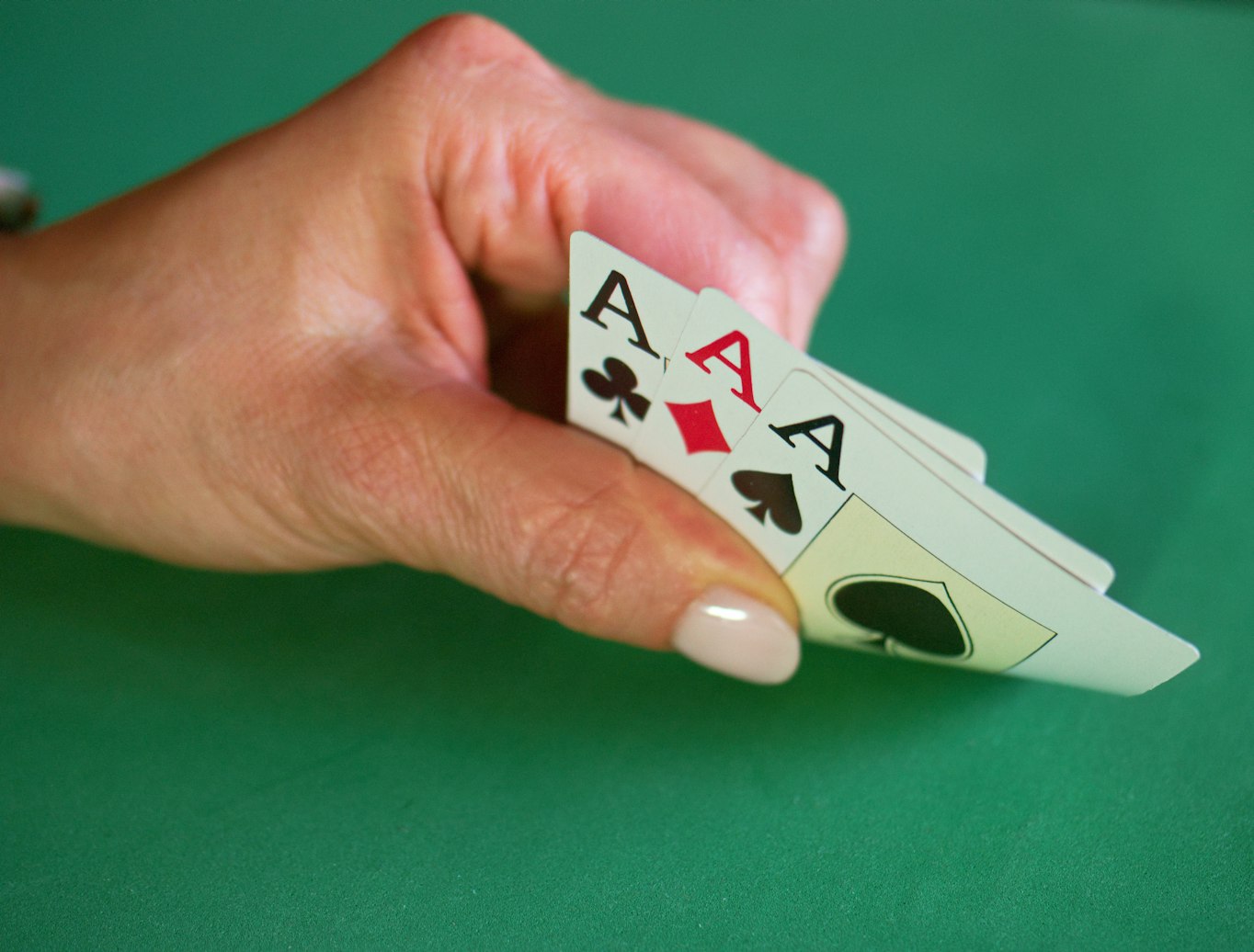
However, this social aspect of gambling can also introduce risks. The desire to fit in or keep up with friends can lead to overspending or unhealthy gambling habits. Understanding this dynamic is crucial for both players and those around them to promote responsible gaming practices. Ultimately, the socialization aspects of gambling contribute significantly to our continued engagement, creating a complex blend of enjoyment and risk that can both enrich and complicate our relationship with gambling.
Cognitive Biases and Decision-Making
Cognitive biases are another critical factor in understanding gambling psychology. Players often display a range of biases that influence their decision-making processes. One common bias is the “illusion of control,” where gamblers believe they can influence the outcome of random events, such as slot machines or dice rolls. This belief empowers individual players and enhances their gambling experience, leading them to make riskier choices based on erroneous perceptions of skill or strategy. For example, a player might feel that by using specific rituals or strategies, they can sway the odds in their favor, despite the inherently random nature of the game.
Another prevalent bias is the “gambler’s fallacy,” the belief that past events affect future outcomes in a random game of chance. For instance, someone may think that since a certain number hasn’t come up in a while, it is “due” to appear in the next round. This flawed reasoning can lead players to make irrational bets that could ultimately result in greater financial loss, fueled by misplaced confidence. Such cognitive distortions can create a cycle of behavior that is hard to break, as players may continue to chase losses or believe in their ability to predict outcomes based on past results.
Recognizing these cognitive biases is paramount for any gambler. Understanding that gambling is a game of chance can help mitigate some of the irrational decision-making that occurs. By fostering awareness of these biases, individuals may approach gambling with a more informed and mindful perspective, thus promoting healthier engagement with gambling activities. This insight can lead to more enjoyable experiences without falling prey to the pitfalls of overconfidence and poor decision-making, ultimately enhancing the gambling experience while reducing the potential for negative consequences.
The Emotional Landscape of Gambling
The emotional experience of gambling can be complex and multifaceted, often reflecting a wide range of feelings from euphoria to despair. Winning can invoke a powerful sense of elation, while losses can lead to feelings of anger and disappointment. This emotional rollercoaster is both part of the allure and the danger of gambling. For some, the highs of winning are worth the risks involved, while others may struggle with the emotional fallout from losses, making it essential to navigate this landscape carefully.

Gambling can also serve as an emotional outlet for individuals dealing with stress, anxiety, or depression. The escape that gambling provides may temporarily alleviate negative feelings, offering reprieve through the thrill of risk-taking and the possibility of a win. However, this can lead to a dangerous reliance on gambling as a coping mechanism, escalating emotional turmoil in the long term. It is vital to recognize these patterns, as they can create a cycle of emotional highs and lows that may contribute to problematic gambling behaviors, ultimately impacting overall well-being.
Understanding this emotional landscape is essential for players to navigate their experiences healthily. Creating boundaries around gambling activities and seeking support when needed can foster a more balanced relationship with these games of chance. By acknowledging and addressing the emotional undertones of gambling, individuals can try to ensure that their play remains a source of joy rather than distress, preserving the fun and excitement that initially drew them in while minimizing the risks associated with emotional gambling.
Responsible Gambling at Our Website
At our website, we prioritize the importance of responsible gambling. Understanding the psychology behind gambling can significantly enhance players’ experiences and promote healthy habits. Whether you are a casual player or more invested in the sport, knowing the mechanics of your behavior helps you make informed decisions that can lead to enjoyable and sustainable gaming practices. We offer resources and guidelines to support our users as they explore the exciting world of gambling, emphasizing the importance of maintaining control over one’s gaming activities.
Our site aims to create a safe environment where you can engage with gambling products responsibly. We provide educational materials focused on recognizing cognitive biases, understanding emotional impacts, and finding social interactions that enhance your gaming experience without compromising your well-being. Our mission is to foster a fun, engaging atmosphere that keeps user safety at the forefront of our operations, ensuring that enjoyment remains a key aspect of your gambling experience.
As you navigate through our platform, remember that gambling should be an enjoyable activity, not a source of stress. By harnessing the knowledge of gambling psychology and practicing responsible gaming, you can fully appreciate the thrill and excitement of your experiences. Join us at our website for a balanced approach to gambling that celebrates enjoyment while recognizing the importance of maintaining control, ensuring that your gaming remains a source of joy throughout your journey.